

How to Mix Armchairs and Side Chairs Around Your Dining Table
Skip the matching chair sets from those showroom displays. A mix of various dining chairs will create a comfortable, artfully arranged look. It’s a way to add some flair and personality that a single collection may not be able to achieve. This look creates a space that feels gathered over time rather than bought all at once. Just follow these easy guidelines to blend comfort and style for a dining room that looks perfectly intentional.
Armchairs vs. Side Chairs: Know Their Roles
Every chair in your dining room serves a specific purpose for both the person sitting in it and the overall room design.
Armchairs (The "Captains")
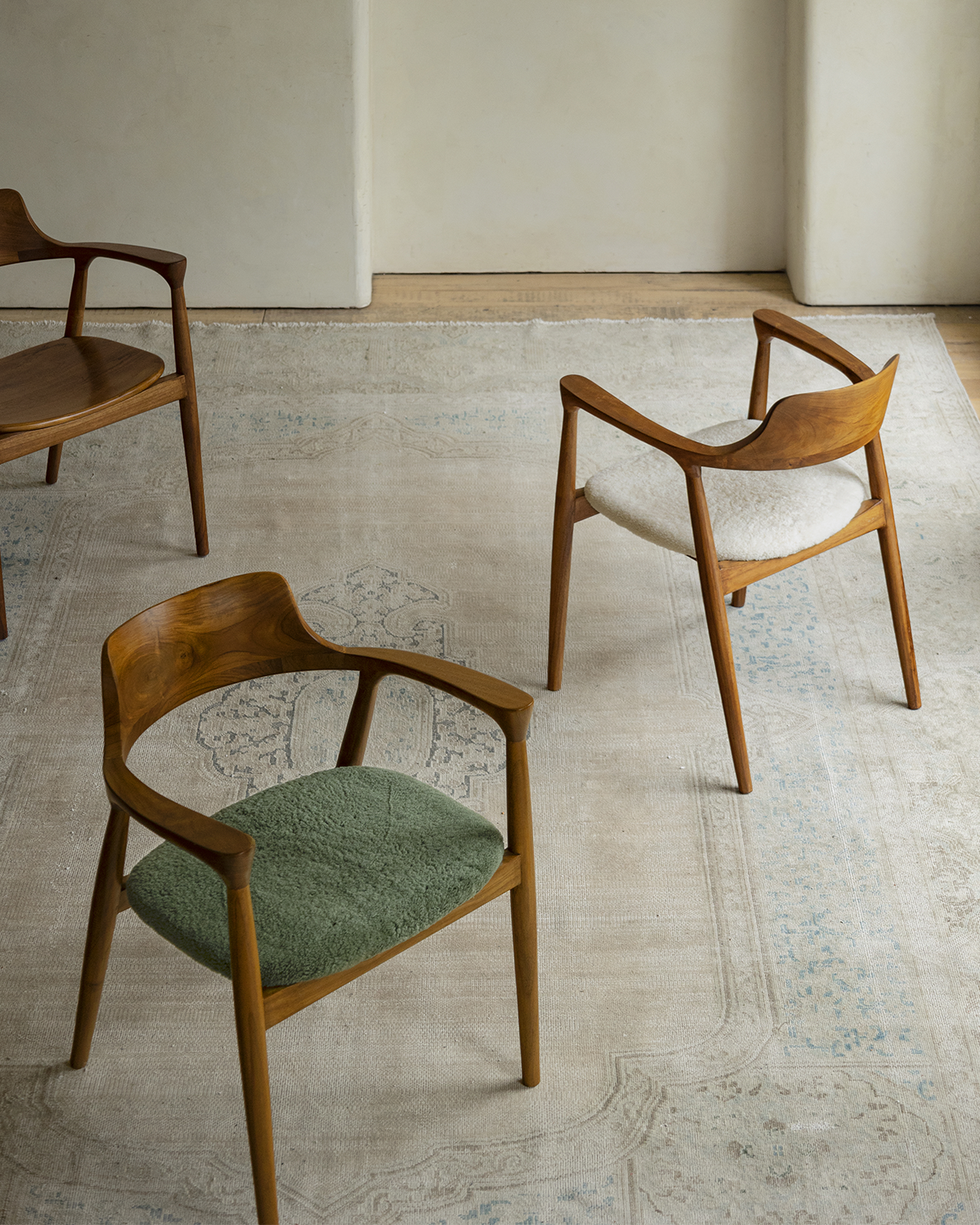
Often called host chairs or captain’s chairs, these are the heavy hitters of the dining room. They usually sit at the two ends of a rectangular table. Because they have armrests, they take up more physical and visual space. Many wood dining armchairs feature upholstery or taller backs, making them the most comfortable spot in the room. They encourage people to sit longer after a meal is finished, providing a sense of luxury and importance to the ends of the table.
Side Chairs (The "Crew")
These are the workhorses that line the long sides of the table. An armless dining chair is slimmer and lighter than a host chair.1 Their main job is to fit as many people as possible without making the table feel cramped. Since they lack arms, they make it easy for guests to slide in and out of their spots without bumping into neighbors or the table legs. They provide the steady rhythm that allows the host chairs to stand out as accents.
What to Consider Before Mixing the Dining Chairs
Before you pick colors and materials, measure well. If your chairs do not fit the table or each other, your room look awkward and uncomfortable for your guests.

1. Seat Height Alignment
This is the most important rule of the armchairs vs. side chairs debate. You want everyone's head to be at roughly the same level during dinner. If one person is sitting on a low, deep armchair and the person next to them is on a tall, firm side chair, conversation feels disjointed. Aim for seat heights that are within one inch of each other. Most standard seats are about 18 inches high. Always measure from the floor to the top of the seat cushion to be sure.
2. Table Clearance (The "Apron" Check)
The "apron" is the wooden piece that hangs down under the tabletop. If you buy bulky wood dining armchairs, the armrests must be able to slide under that apron. If they hit the wood and stick out, they will block the walking paths in your room.
Measure the distance from the floor to the bottom of the table's edge. Then, measure from the floor to the top of the chair arms. You need at least an inch of clearance so the chair can tuck away completely when nobody is using it.
3. Space and Scale
Armchairs are generally four to six inches wider than dining side chairs. If your dining room is small, large host chairs might make the space feel crowded. Look at the footprint of the chair on the floor. You need enough room to walk behind the chairs even when people are sitting in them. If the ends of your table are narrow, choose an armchair with a slimmer profile so the room stays functional and easy to move through.
How to Mix Them: 5 Key Design Principles
After the measurements are done, you can move on to the visual part of the project. Effective design requires a common link that relates the various pieces of furniture, so they seem to belong together.
1. Play with Visual Weight
Visual weight refers to how "heavy" a chair looks. A solid, upholstered chair looks heavier than a thin metal one. To keep the room balanced, put the heaviest chairs at the ends of the table. This anchors the arrangement. If you put small, light chairs at the ends and bulky chairs in the middle, the table looks top-heavy or cluttered. Think of the end chairs as the frame for the rest of the seating.
2. Unify with Legs
If the top halves of your chairs look very different, use the bottom halves to tie them together. You can mix a leather armchair with a fabric side chair easily if they both have the same walnut wood legs or black metal bases. Consistent leg finishes create a horizontal line that travels around the table, telling the eye that these pieces are part of the same group.
3. Contrast Material Texture
Mixing textures makes a room feel high-end. If your dining side chairs are made of a hard material like timber or cane, try using soft fabric or velvet for the end chairs. This "Hard vs. Soft" approach adds depth. It prevents the room from feeling too cold or too stuffed. The mix of materials creates a sensory experience that makes the dining area feel more interesting to the touch and the eye.
4. Coordinate Colors
You have two main paths for color. You can go monochrome, where every dinging chair is the same color (like all black or all white) but in different shapes. This is a subtle way to mix styles. Or, you can use the armchairs as a "pop" of color. If you have neutral grey side chairs, navy blue or forest green armchairs at the ends create a focal point. This makes the host chairs feel special without overwhelming the entire room.

5. Pair Similar Silhouettes
Even if your chairs are from different eras, they should share a similar shape. If your side chairs have rounded, circular backs, look for armchairs that also have curved lines. If everything is very modern and square, keep that theme going across all the seats. When the silhouettes match, you can mix a vintage chair with a brand-new one without the room feeling messy or disorganized.
5 Easy Ways to Pair Armchairs and Side Chairs
If you aren't sure where to start, you can use these proven combinations. These "recipes" work in almost any home and take the guesswork out of matching your furniture pieces.
| Recipe Name | Armchair Style (Heads) | Side Chair Style (Sides) | Why It Works |
| The Soft & Solid | Upholstered Wingback | Solid Wood / Farmhouse | This balances the soft comfort of fabric with the durable, practical feel of wood. |
| The Modern Organic | Leather Bucket Chair | Cane or Rattan Chair | The rich texture of leather looks great against the airy, natural look of woven cane. |
| The Shape Shifter | Rounded Tub Chair | Square-Back Dining Chair | Creating a contrast between curves and straight lines adds immediate visual interest. |
| The Color Pop | Bold Velvet (Navy/Green) | Neutral Grey/Beige Fabric | This setup makes the host chairs look like statement pieces or art. |
| The Era Clash | Vintage Wood Chair | Clear Acrylic (Ghost Chair) | Mixing old-world styles with modern materials creates a high-fashion, bold look. |
By choosing one of these pairs, you ensure that your dining side chairs and host chairs have enough difference to look intentional, but enough in common to feel like a set.
Achieve a Cohesive Look through Blended Dining Chairs
Moving away from using the entire matching set, and mixing or matching armchairs and side chairs gives your dining area some personality. It is easy to start with the basics and ensure the height of the seats is consistent and armrests clear the table edge. Once this works for the space, use the shared colors or leg finishes to tie the look together. In this way, the dining area does not look like it belongs in a showroom.


